Nano-bubble
Sub-micron dispersion

Combustion enhancement for glasshouse climate control. Hydrogen-rich water for irrigation. Engineered and available now.
YBG Global supplies hydrogen-rich irrigation systems and oxyhydrogen combustion-enhancement climate systems for glasshouse, nursery and controlled-environment growers — engineered for continuous duty, shipped worldwide (HERO Irrigation DDP to selected destinations and DAP elsewhere; Climate Systems and Climate Systems DAP, with duties and taxes payable on arrival), and available to order directly online. The group's combustion technology is backed by a third-party-verified 13% average steam-to-fuel improvement and 60% NOx reduction across a ten-plant Indian deployment, documented in a joint UIBC / Nangia Andersen report.
The HERO Irrigation Hydrogen Nano-bubble System dissolves hydrogen at nano-bubble scale into irrigation water for glasshouses, nurseries and vertical farms — US$16,311 DDP, available to order online today.
Order HERO Irrigation →Climate SystemsThe Climate Systems range generates oxyhydrogen on demand and injects it into existing heating boilers and thermal plant — improving burn completeness and reducing fuel consumption without rebuilding the combustion train. Specified per installation.
Glasshouse Boiler · Process Boiler · Industrial Plant →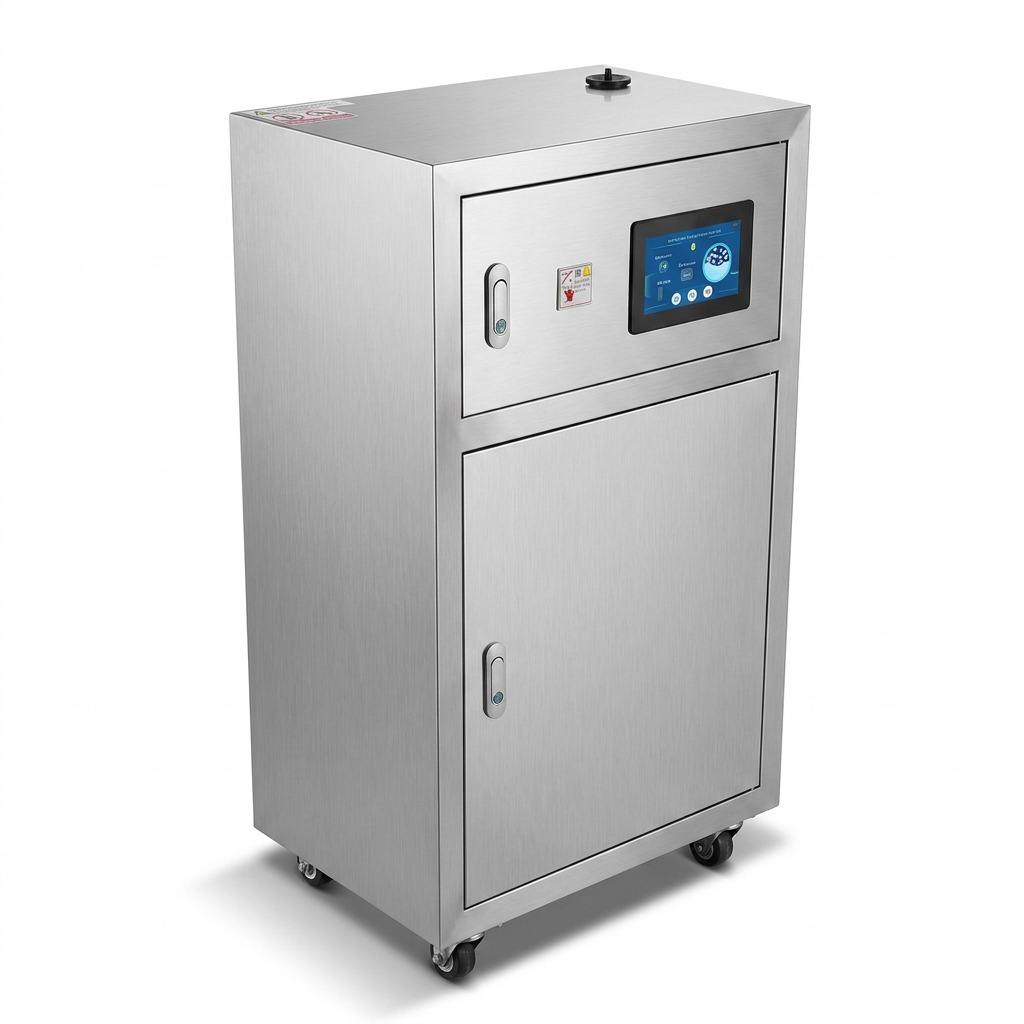
An industrial hydrogen nano-bubble injection system for irrigation water in controlled-environment agriculture. Dissolved hydrogen at nano-bubble scale supports root-zone oxygenation and plant-physiology response across greenhouse, nursery and horticultural operations.
US$16,311 worldwide — DDP to selected destinations, DAP elsewhere, with remote-guided commissioning included. Secure card checkout or pro-forma invoice.
On-demand oxyhydrogen injection for glasshouse heating boilers and industrial thermal plant — built on a cultivated global standing in combustion enhancement since 1985, with measurement & verification practice backed by the group's ControlAlign™ work at ybgindustrial.com.
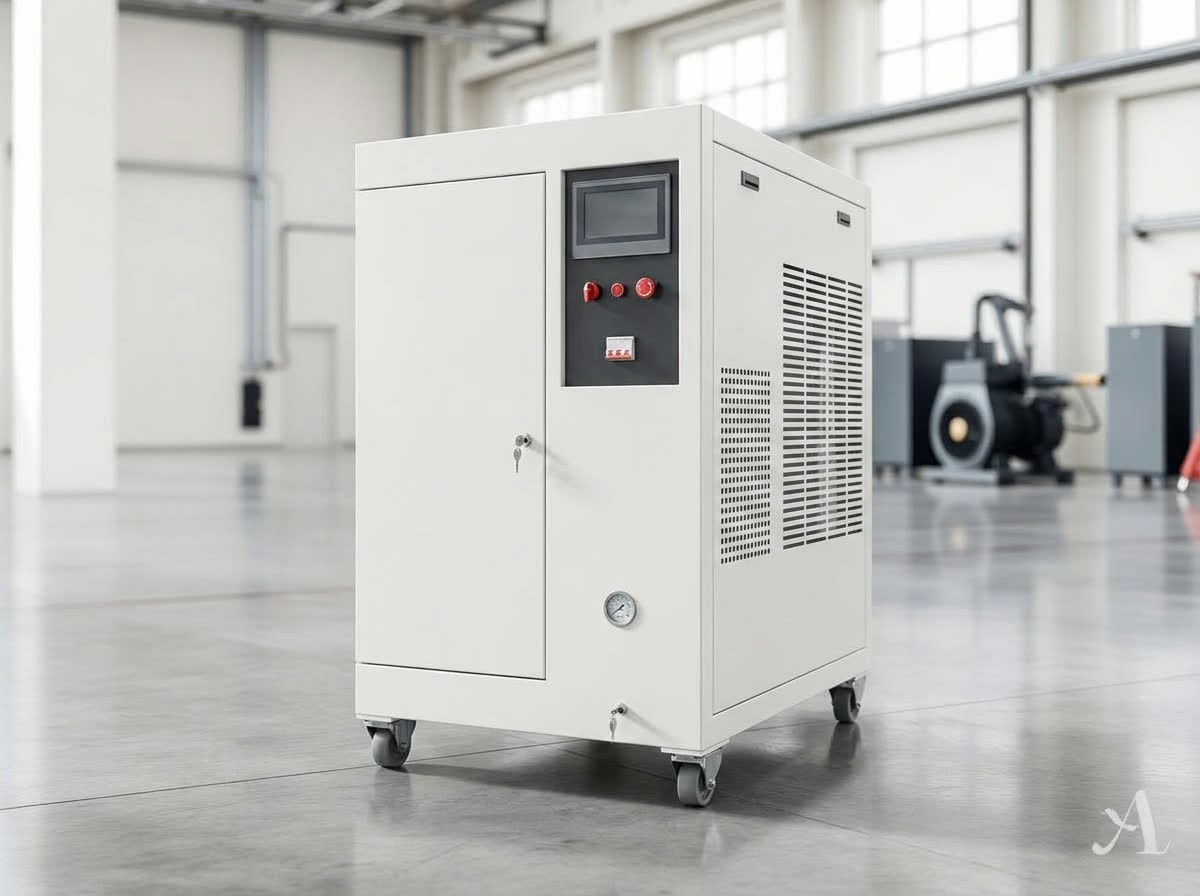
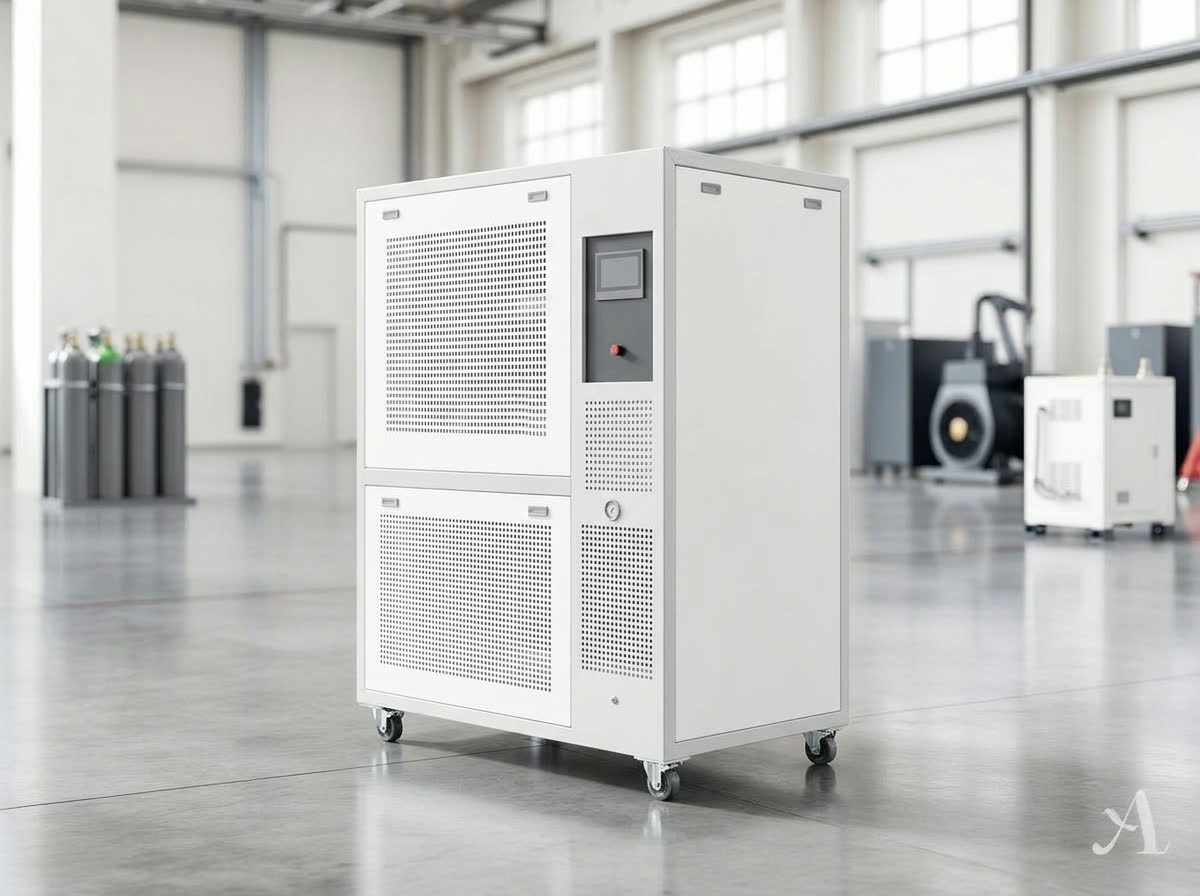
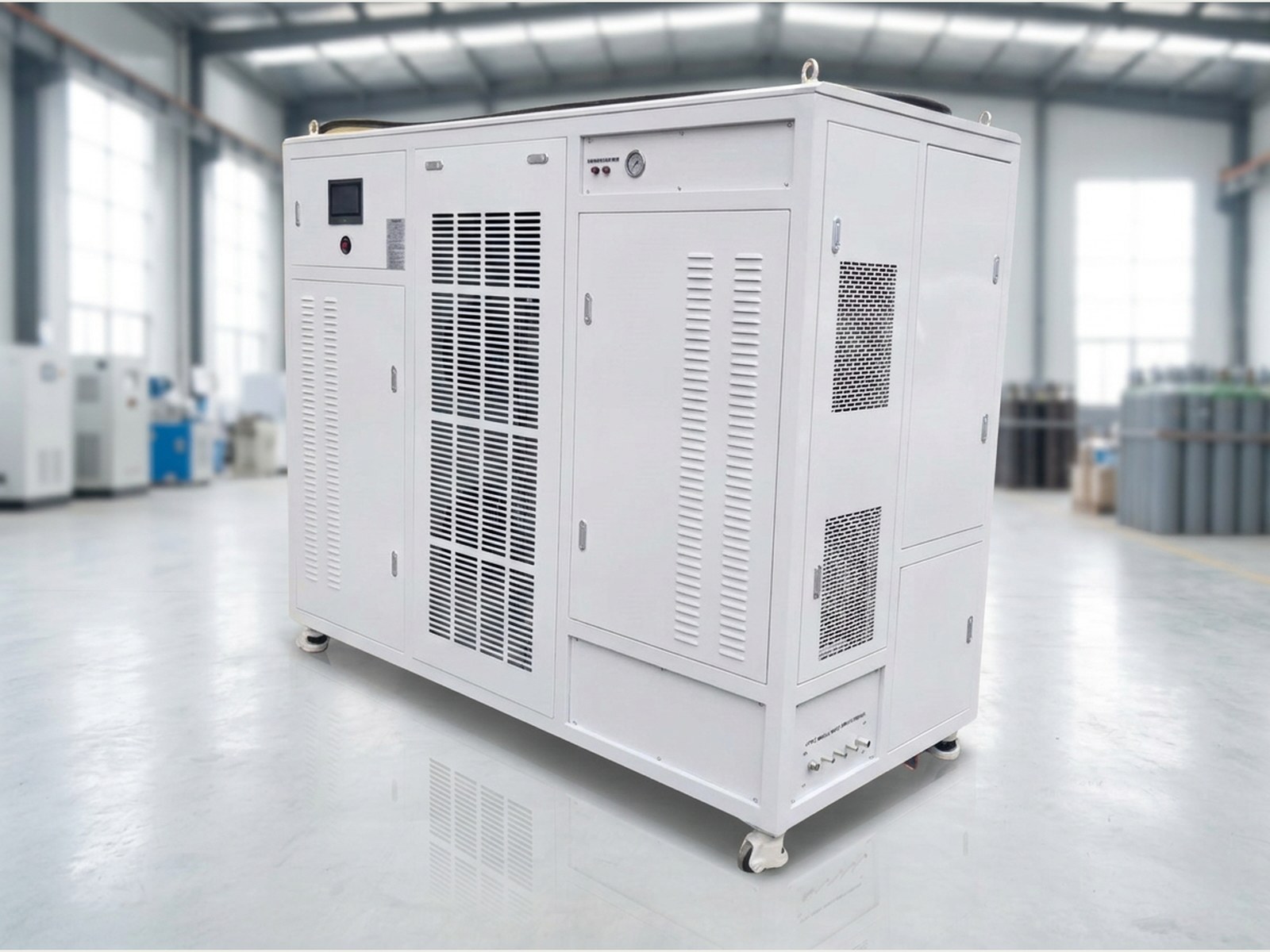
The oxyhydrogen combustion-enhancement technology behind YBG Climate Systems was validated across a ten-plant biomass-fired steam fleet in India — sustained results, measured in operation and documented by third parties, not by us.
These fleet results are documented in a joint report by UIBC and Nangia Andersen, published under the imprint of NTPC — institutional citation a buyer can verify independently. The full deployment record is maintained by the group's engineering channels:
Continuous loads, managed atmospheres, no tolerance for downtime. Every YBG system — irrigation or climate — is engineered to the same five disciplines.